

What has fifteen years of working as a book cover illustrator and designer told me about the Book Cover Design Process?
I have been fortunate enough to work in what I consider the best industry in the world… the Creative industry. I work across board games, tabletop roleplay games, video games, and what I’m about to discuss, book cover design.
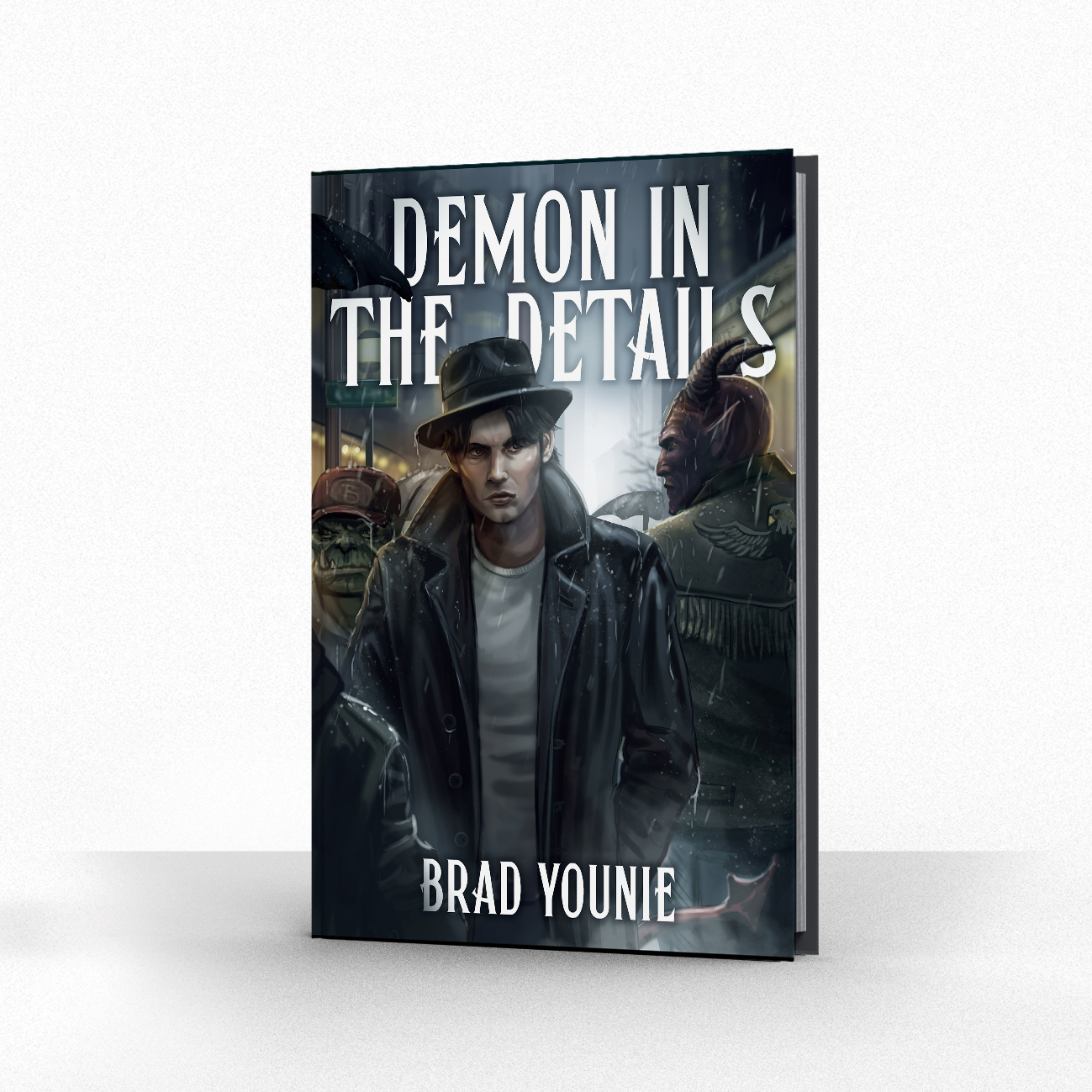
Working with authors is great. We share the same creative passion, and the energy when working together makes excitement about the project infectious. However… as all creatives will recognise… we need reining in every now and then. That’s why I began to distill the process down to a bit of a step by step guide I offer my Authors. In short, it’s as follows:
- I receive the brief from the client, and discuss if needed
- I tend to start with a very loose composition sketch
- I show this to the client at this early stage to make sure any major changes are made before too much detail goes in
- I take the sketch to a more rendered black and white version
- Another round of feedback for minor tweaks
- I begin to colour the illustration and finish
- The client has a final round of feedback to check for any minor colour and detail tweaks
- Illustration complete!
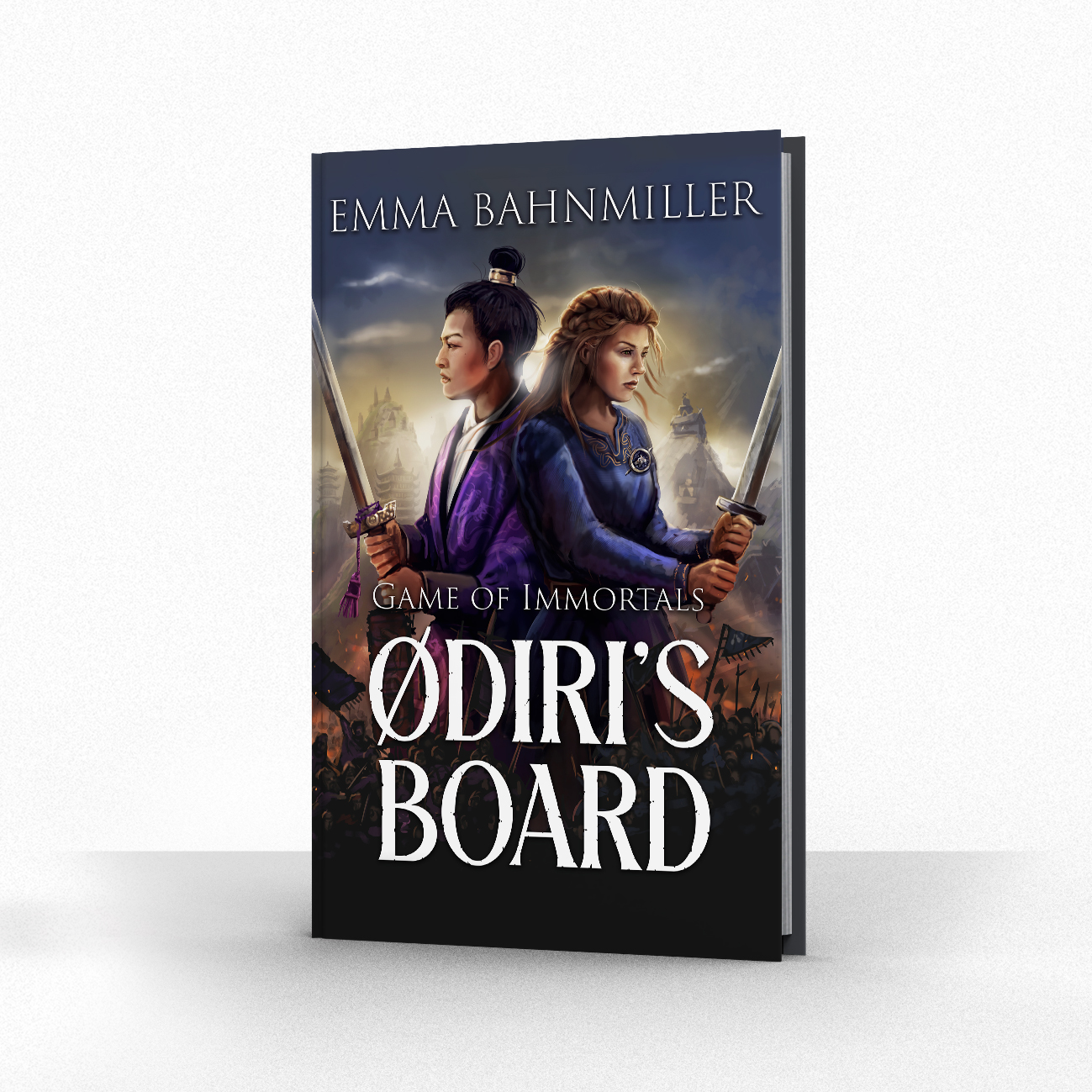
Let me break the book cover design process down a bit more…
That looks simple, but what does it all mean? How would you as an author be involved? Well… once I’ve got your brief and fired over some initial questions, I think it’s a good idea to thrash it out…
Live sketching on a call
The key to a good book cover design is composition. This is the foundation… the building blocks of the illustration. You’ve heard the phrase you can’t polish a… (you know). Well this is it. If you set off on the wrong foot, no matter how much love and detail you put into an illustration, it’s just going to fall flat. You have to start with a pleasing composition that helps the viewer take in what’s there.
I find the best way to do this, and avoid email ping pong, is to have a video call early. Not only does it mean we can build a great rapport and enjoy the process. But it means we are really clear, and conversation has a great way of establishing the dos and don’ts you need in your setting. Once we’ve had a quick chat, I tend to fire up a screen share and Photoshop and sketch loose compositions til we land on something we like. Doing this quick “thumbnail” type sketching gets us to goal quickly and allows for experimentation.
It’s important to know where the titles will go, and account for bleed, crowding, clarity and all that stuff which restricts us. This stage is satisfying and sets us up for the fun bit.
Refining the sketch
I take the loose composition away, along with notes I make regarding all the questions that pop up as we’re doing it. Hair colour, monster features, weather, environment… It’s great to fully immerse myself. Often I’m booked up 6 months ahead of time, so I try to reserve this info gathering til I’m right at the start of the project so it’s all fresh in my mind.
I begin to craft the details into the characters, places and props we’re going to delight the viewer with. At this point I contine working in black and white, and a sort of mid-range sketch, not too refined, but enough so you can see the direction I’m going. Once I have a good depiction of the cover, I show my client and ask for feedback. Did I miss anything? Gone overboard? Focused on the right elements? This is the major feedback stage. After this we get into polishing up, and that’s when you don’t want to make drastic changes as it upsets the flow of the piece and can also result in a lot of lost hours.
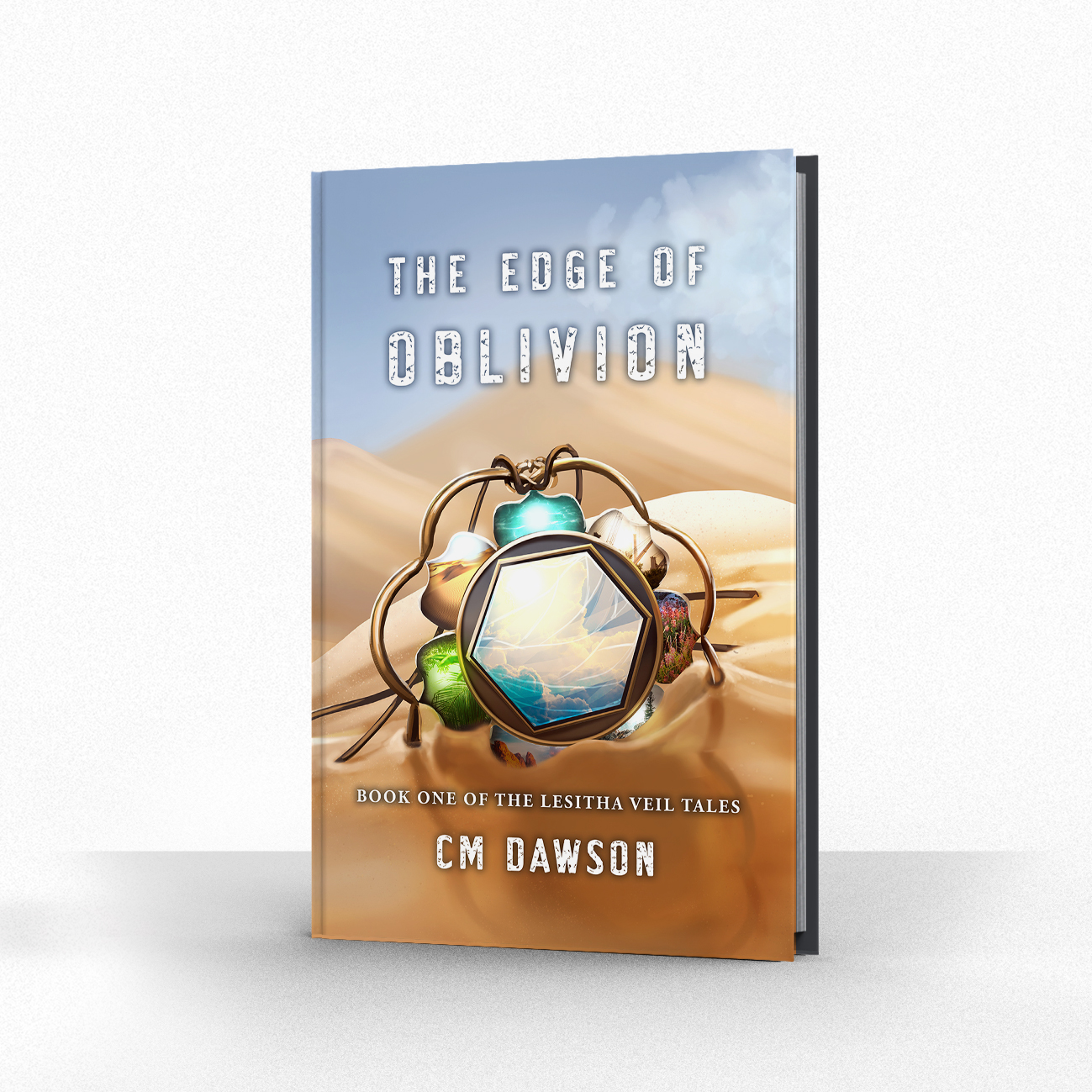
Colour and finish
Taking on board any feedback, I will begin to polish up the illustration. Sometimes I might pop it back to the author before adding colour if I want to ensure I’m locked into the right path. Otherwise, I begin to colour and bring layers of atmosphere, use light for points of interest, add texture and all the good juicy stuff that rounds out an image. This tends to be the longest stage. And the stage I’m always going backwards and forwards over. I really like to make sure I have the colours nice and balanced, and make sure the detail really shines through where it needs to, and takes a backseat where it shouldn’t distract.
I send this over to the client for their final round of feedback. This should be minimal tweaks as we’ve followed my tried and tested method. It makes deadlines easy to hit if you plan ahead. And the planning is often an exciting element of the process!
It’s all about great communication, and great rapport. Infectious enthusiasm always, always creates the best work.
Shout me if you’re in need of help with your cover…
Hi I’m Jamie!
I work on fantasy and sci-fi maps for various clients from authors to game publishers. I have had some great clients working on both established IPs and new settings. I’m always interested in hearing about more projects I might be needed on, so feel free to drop me an email to info@thenobleartist.com
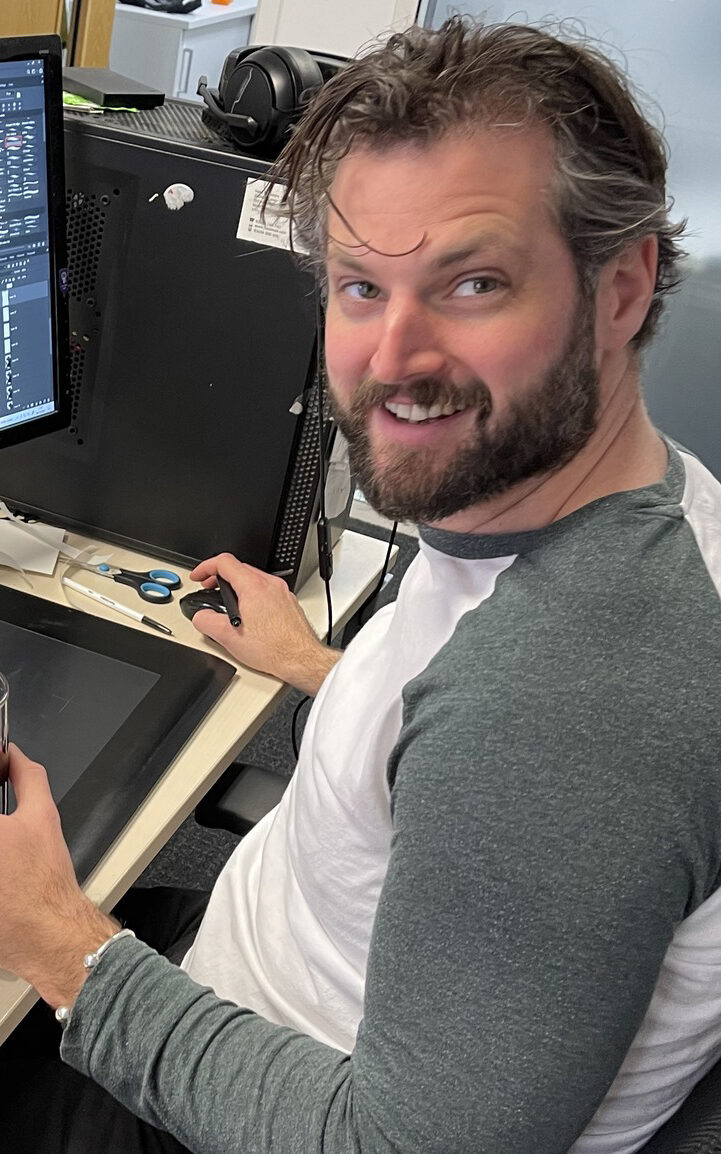
If you’re looking for a fantasy artist, feel free to snoop through my illustration portfolio or head straight over to contact me for work. You’ll find my email address and some handy forms which guide you through some of the starting info I’ll need to be able to quote for you. Typically I’m booked up a month ahead of time, but do drop me a line if you have anything time sensitive. Sometimes I’m able to move things around in a pinch. Hope to hear from you! In the meantime, stay informed of my new work and availability and sign up for the mailing list.


